




The Punjab LPU student protest at Lovely Professional University (LPU) in Phagwara became a major campus-related news story in late September 2026. The protest began after claims circulated among students and on social media about an alleged sexual assault involving a female student on the university campus. The allegation was not initially verified, but it […]
The Punjab LPU student protest at Lovely Professional University (LPU) in Phagwara became a major campus-related news story in late September 2026. The protest began after claims circulated among students and on social media about an alleged sexual assault involving a female student on the university campus.
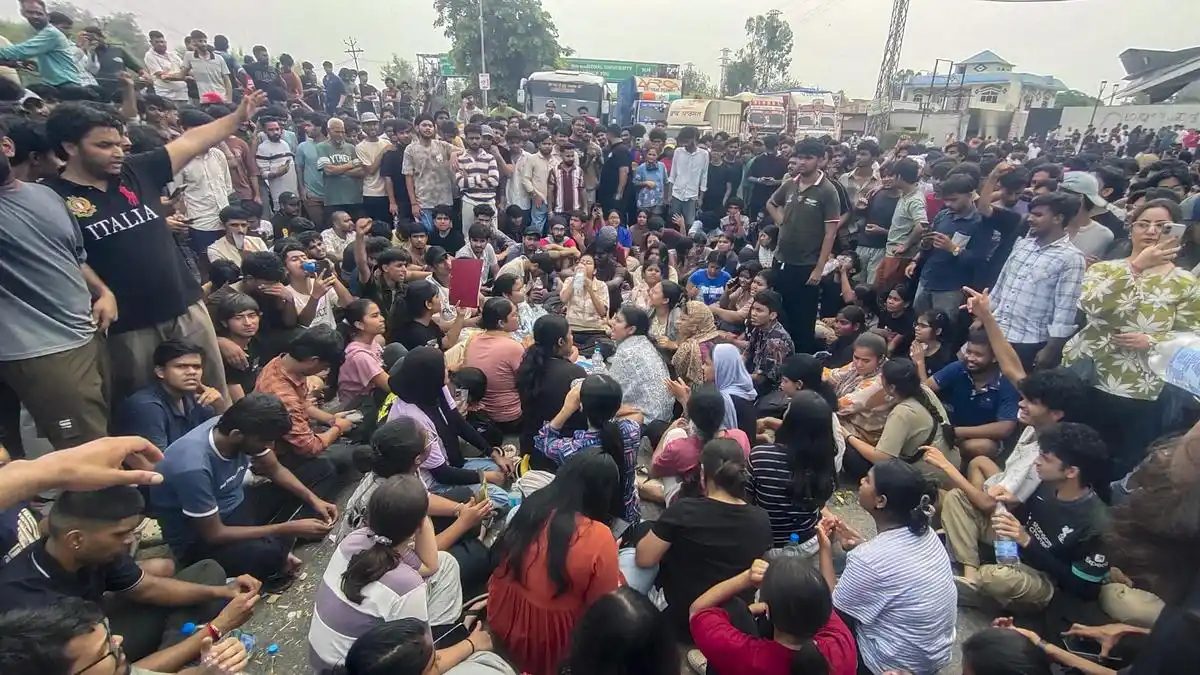
The allegation was not initially verified, but it quickly spread among students and contributed to unrest around the university. The situation later escalated, with reports of vandalism, fires, clashes with police, and a blockade of the Jalandhar-Phagwara National Highway. Authorities and the university subsequently took steps to investigate the claims and restore normal conditions on campus.
What Triggered the LPU Student Protest?
The immediate trigger was information circulating about an alleged sexual assault of a female student at LPU. According to news reports, the claims spread rapidly through social media and student networks during the night of September 26 and early September 27.
Students gathered near a girls’ hostel as concerns about the alleged incident increased. Some reports also linked the protest to claims that the student had later died by suicide. However, these claims were not established at the time and became part of the investigation.
The rapid spread of unverified information played an important role in how quickly the situation developed. Students demanded clarity and action from the university and authorities.
Why Did Students Take to the Streets?
The protest was primarily connected with concerns about student safety, hostel security, and transparency surrounding the allegations. Students wanted authorities to investigate the matter and provide clear information about what had happened.
As the situation developed, the demonstration moved beyond the immediate campus area. Reports stated that protesters damaged property, set some vehicles or objects on fire, and blocked the Jalandhar-Phagwara highway. Police were deployed to control the situation, and clashes were reported.
It is important to distinguish between the concerns that motivated students to protest and the specific allegations that were still being investigated.
What Did LPU Say About the Allegations?
LPU rejected the allegations surrounding the reported sexual assault and described them as false or fabricated rumours. The university said that misinformation circulating online had contributed to the unrest on campus.
The university administration also took steps to communicate with students and address concerns surrounding the incident. Because the investigation was ongoing, different claims about what happened should be treated carefully until verified by the relevant authorities.
What Did the Police Do?
Punjab Police became involved as the protest escalated. Authorities registered a case concerning the sexual-assault allegation and formed a Special Investigation Team (SIT) to investigate the matter. Reports also stated that police were examining available evidence and information connected with the allegations.
Police were also investigating the violence that occurred during the protests, including property damage and attacks involving vehicles. By September 30, police had said that they were narrowing down people suspected of involvement in the violence and were examining original CCTV footage to reconstruct events.
Impact on LPU Students and Academic Activities
The unrest had a direct impact on academic activities at the university. LPU suspended classes for 10 days beginning September 28, while mid-term examinations were also postponed until further notice.
The disruption affected students living on campus as well as regular academic schedules. The situation also attracted significant attention because of the size of LPU and the large number of students studying at the university.
Students and parents were consequently looking for verified information about campus safety, accommodation, and the continuation of classes.
Why Social Media Became an Important Factor
One of the major aspects of the LPU student protest was the speed at which information circulated online. Posts and messages concerning the alleged incident reached students before the claims had been independently established.
This highlights the importance of verifying serious claims through official sources before sharing them. In situations involving allegations of sexual violence or other serious crimes, unverified information can create fear and confusion and can make an already sensitive situation more difficult to manage.
Reports on the LPU incident also show why universities, students and authorities may need clear communication channels during emergencies.
What Happens Next?
The investigation into the allegations and the violence remains important for determining what actually occurred. Police investigations, CCTV footage, witness accounts and other available evidence can help establish the sequence of events.
The Punjab and Haryana High Court has also sought clarification from Punjab Police regarding the allegations and the circumstances surrounding the unrest, according to recent reports.
Until investigations are completed, claims about the alleged assault, the identity or actions of individuals involved, and the reasons behind the spread of the information should not be treated as facts.
Conclusion
The Punjab LPU student protest began after serious allegations involving a female student circulated among students and online. The situation quickly escalated into a larger campus disturbance involving property damage, clashes, and a highway blockade.
LPU has denied that the alleged incident occurred, while police have registered a case and launched an investigation. Classes were suspended temporarily, and examinations were postponed following the unrest. As investigations continue, verified information from police, the courts and the university remains important for understanding what happened and why the protest escalated.