




The Delhi Women Protest has drawn attention to concerns surrounding women’s safety, sexual violence, and the security of public spaces in the national capital. In September 2026, students from several Delhi University colleges participated in protests following the alleged gang rape of a 17-year-old girl at Aastha Kunj Park in South Delhi. The demonstrations have […]
The Delhi Women Protest has drawn attention to concerns surrounding women’s safety, sexual violence, and the security of public spaces in the national capital. In September 2026, students from several Delhi University colleges participated in protests following the alleged gang rape of a 17-year-old girl at Aastha Kunj Park in South Delhi. The demonstrations have brought renewed focus to the everyday safety concerns faced by women and students in Delhi.
What Triggered the Delhi Women Protest?
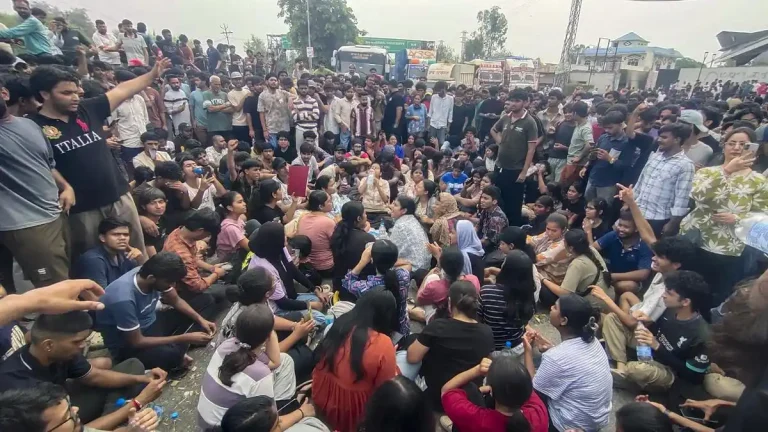
The recent protests followed the alleged gang rape of a teenage girl in a South Delhi park on September 21, 2026. The incident generated concern among students because of its proximity to educational institutions, including Lady Shri Ram College. Around 200 students participated in an initial protest on September 23, with students from colleges including LSR, Miranda House, Gargi College, and other institutions joining the demonstration.
Further demonstrations were held during the following days. Students marched through areas around Delhi University and demanded greater attention to women’s safety and safer public environments.
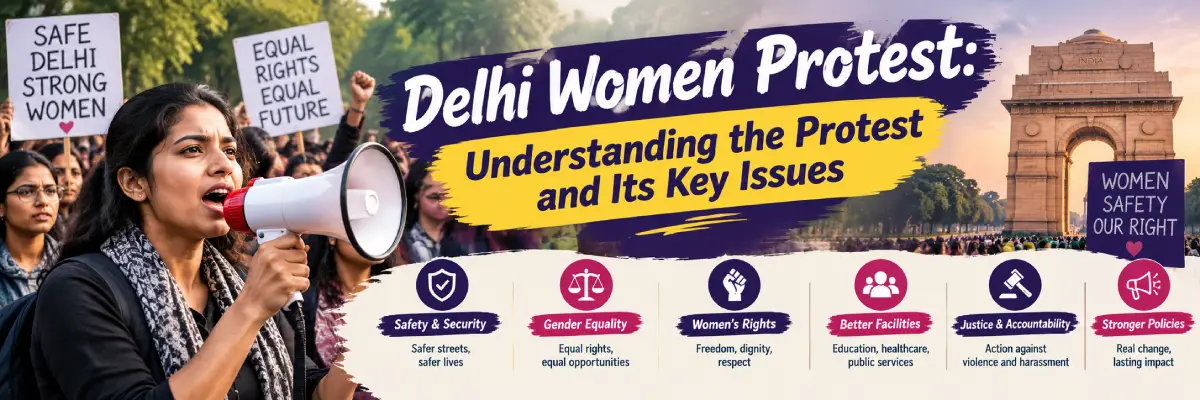
Key Issues Raised by Protesters
One of the central concerns of the Delhi Women Protest is the safety of women in public places. Protesters have highlighted concerns about harassment, stalking, sexual violence, and inadequate safety measures around roads, parks, and educational institutions.
Students have also raised concerns about infrastructure. Better street lighting, functional CCTV cameras, police presence, and effective emergency assistance have been among the measures discussed in connection with the protests.
Another important issue is accountability. Protesters have called for authorities to respond quickly to complaints involving sexual violence and to ensure that investigations and legal procedures are handled appropriately.
Concerns About Restrictions on Women
The protests have also included discussions about restrictions placed on women in response to safety concerns. Some students have opposed solutions that limit women’s movement, clothing, or access to public spaces.
The broader issue raised by protesters is whether women should have to change their daily lives because of safety concerns, rather than institutions focusing on preventing violence and improving security. Different commentators and organisations have expressed varying views about how authorities should balance safety measures with freedom of movement.
Role of Delhi University Students
Delhi University students have played a prominent role in the recent demonstrations. Students from several women’s colleges participated in marches, while some gatherings also involved faculty members and students from other institutions.
The protests have provided a platform for students to discuss their experiences and concerns regarding safety around campuses and during daily travel. Some participants have also worked on developing specific demands related to public safety and institutional accountability.
Why the Delhi Women Protest Matters
The Delhi Women Protest has renewed a long-running public discussion about women’s safety in the capital. The demonstrations show that concerns about sexual violence are not limited to individual incidents but also involve questions about policing, public infrastructure, institutional response, and social attitudes.
For many protesters, the issue is also about being able to study, travel, work, and use public spaces without fear. The recent demonstrations therefore extend beyond one particular case and have become part of a wider conversation about women’s safety and accountability in Delhi.
Conclusion
The Delhi Women Protest has highlighted several interconnected issues, including sexual violence, public safety, policing, infrastructure, accountability, and women’s freedom of movement. The September 2026 demonstrations by Delhi University students have brought these concerns into public discussion once again. As authorities and institutions respond, the key focus remains on addressing reported crimes, improving safety infrastructure, and ensuring that women can participate in public life without unnecessary restrictions.