

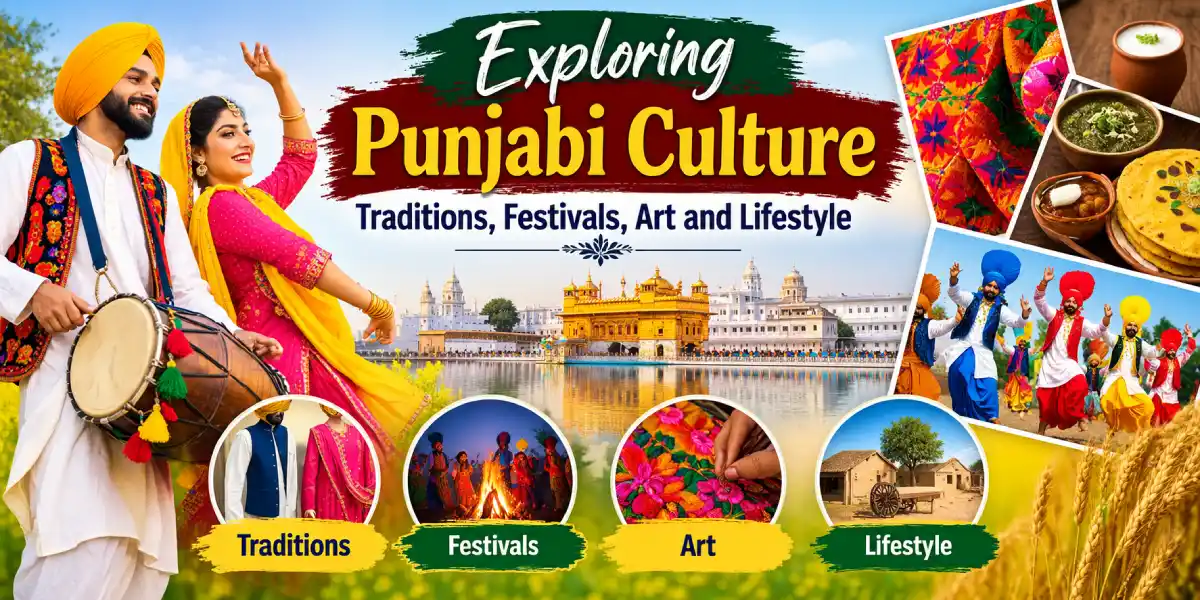
Punjabi culture is known for its vibrant traditions, colorful celebrations, delicious food, energetic music, and strong sense of community. Rooted in the Punjab region of South Asia, this culture has developed over centuries and continues to influence art, fashion, entertainment, language, and everyday life. From lively Bhangra performances to beautifully embroidered Phulkari textiles, Punjabi heritage […]
Punjabi culture is known for its vibrant traditions, colorful celebrations, delicious food, energetic music, and strong sense of community. Rooted in the Punjab region of South Asia, this culture has developed over centuries and continues to influence art, fashion, entertainment, language, and everyday life.
From lively Bhangra performances to beautifully embroidered Phulkari textiles, Punjabi heritage reflects creativity, hospitality, and a deep connection with family and community. Whether you are interested in traditional clothing, Punjabi festivals, folk art, or food, exploring this culture offers a fascinating look at the history and lifestyle of the Punjabi people.
Understanding Punjabi Culture and Its Heritage
Punjabi culture has a rich historical background shaped by the geography, traditions, languages, and communities of the Punjab region. The region has historically been connected with agriculture, trade, music, and religious traditions.
Family relationships and community gatherings have traditionally played an important role in Punjabi life. Hospitality is also a well-known part of the culture, with guests often being welcomed with food, conversation, and warmth.
Language is another important part of cultural identity. Punjabi is widely spoken in Punjab and by Punjabi communities around the world. Punjabi poetry, folk songs, stories, and literature have helped preserve cultural traditions across generations.
Old Punjabi Culture and Traditional Lifestyle
Old Punjabi culture was closely connected with village life and agriculture. Farming was an important part of the economy, and many traditional celebrations were connected to agricultural seasons and harvests.
Traditional homes and village communities often revolved around shared activities. People gathered during weddings, festivals, fairs, and harvest celebrations. Folk music and storytelling provided entertainment while also passing stories, values, and historical memories from one generation to another.
Traditional Punjabi culture also emphasized respect for elders, family bonds, generosity, and participation in community events. Although modern lifestyles have changed considerably, many of these values remain visible today.
Punjabi Culture Dress and Traditional Fashion
Traditional clothing is one of the most recognizable aspects of Punjabi culture dress. Punjabi fashion is known for bright colors, detailed embroidery, comfortable designs, and decorative patterns.
For women, the Punjabi suit is a popular traditional outfit. It generally includes a kameez, salwar, and dupatta. Phulkari embroidery is especially significant and is often seen on dupattas, shawls, and other traditional garments.
Men traditionally wear outfits such as the kurta-pajama, while the turban is an important element of traditional Sikh and Punjabi dress. Different styles and colors can be worn for everyday activities, celebrations, religious occasions, and weddings.
Today, Punjabi clothing combines traditional designs with modern fashion. Designers often use traditional embroidery and fabrics while creating contemporary outfits.
Punjabi Culture Food: A Celebration of Flavors
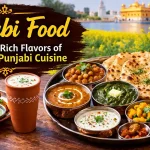
Food has an important place in Punjabi culture food traditions. Punjabi cuisine is widely recognized for its rich flavors, hearty dishes, breads, dairy products, and use of spices.
Popular dishes associated with Punjabi cuisine include:
- Sarson da saag and makki di roti
- Chole bhature
- Rajma chawal
- Dal makhani
- Amritsari kulcha
- Tandoori dishes
- Lassi
- Paneer-based dishes
Food is particularly important during family gatherings, weddings, festivals, and other celebrations. Traditional cooking often represents hospitality, with large meals prepared for guests and family members.
Punjabi cuisine has also become popular internationally, with Punjabi restaurants and dishes found in many countries.
Festivals and Celebrations in Punjabi Culture
Festivals bring communities together and showcase the colorful side of Punjabi culture. Many celebrations include music, dancing, traditional clothing, food, fairs, and family gatherings.
Baisakhi is one of the most important festivals associated with Punjab. It has agricultural significance as a harvest festival and also holds major religious importance for Sikhs.
Lohri is another popular Punjabi celebration, traditionally associated with winter and the harvest season. People gather around bonfires, sing folk songs, dance, and share traditional foods.
Other celebrations, including Gurpurabs and local fairs, are also important parts of Punjabi cultural life. Weddings are another major occasion where Punjabi traditions, music, clothing, food, and family customs come together.
Punjabi Music, Dance and Folk Art
Music and dance are central to Punjabi cultural expression. Bhangra is one of the most recognizable Punjabi folk dances and is traditionally connected with celebration and harvest. Its energetic movements and rhythmic music have made it popular around the world.
Giddha is another important traditional dance, particularly associated with women. Folk songs often tell stories about relationships, village life, celebrations, emotions, and everyday experiences.
Punjabi folk instruments such as the dhol, tumbi, algoza, and chimta contribute to the distinctive sound of traditional music.
Visual arts and handicrafts are equally important. Phulkari, which means “flower work,” is a traditional embroidery style recognized for its colorful floral patterns. It remains an important part of Punjabi textile heritage.
Punjabi Culture Chart: A Simple Cultural Overview
A Punjabi culture chart can make it easier to understand the major elements of this heritage at a glance:
| Cultural Element | Examples |
|---|---|
| Traditional Dress | Punjabi suit, kurta-pajama, turban |
| Food | Makki di roti, sarson da saag, dal makhani, lassi |
| Dance | Bhangra, Giddha |
| Music | Folk songs, dhol, tumbi, algoza |
| Art | Phulkari embroidery, handicrafts |
| Festivals | Baisakhi, Lohri, Gurpurabs |
| Language | Punjabi |
| Values | Family, hospitality, community |
This type of chart can be useful for students, researchers, travelers, and anyone who wants a quick introduction to Punjabi traditions.
Punjabi Culture Pics and Visual Heritage
Punjabi culture pics can provide a visual understanding of traditions that may be difficult to describe through words alone. Images of Bhangra performances, traditional Punjabi clothing, Phulkari embroidery, village celebrations, festivals, food, and historic architecture can help document the diversity of Punjabi heritage.
Photography has also become an important way of preserving cultural traditions. Modern Punjabi communities use photographs and digital media to showcase traditional celebrations while introducing Punjabi heritage to younger generations and international audiences.
Punjabi Culture in the Modern World
Punjabi culture continues to evolve while maintaining strong connections with its traditional roots. Punjabi music has gained an international audience, while traditional clothing and embroidery have influenced contemporary fashion.
Punjabi communities living outside South Asia also contribute to preserving the language, food, festivals, and cultural practices. Community events, cultural organizations, weddings, religious gatherings, and social media all help pass traditions to younger generations.
At the same time, modern Punjabi culture combines traditional customs with contemporary lifestyles. This combination of heritage and modern influences makes Punjabi culture dynamic and continually evolving.
Conclusion
Punjabi culture represents a colorful combination of history, traditions, food, clothing, music, dance, art, festivals, and community values. From the agricultural traditions of old Punjabi culture to modern Punjabi music and fashion, its heritage continues to adapt while preserving important cultural roots.
Exploring Punjabi culture dress, Punjabi culture food, traditional festivals, folk dances, and Phulkari art provides a deeper understanding of the region’s identity. Whether through a Punjabi culture chart, historical information, or Punjabi culture pics, each element offers a different perspective on a culture that continues to thrive both in Punjab and around the world.
