


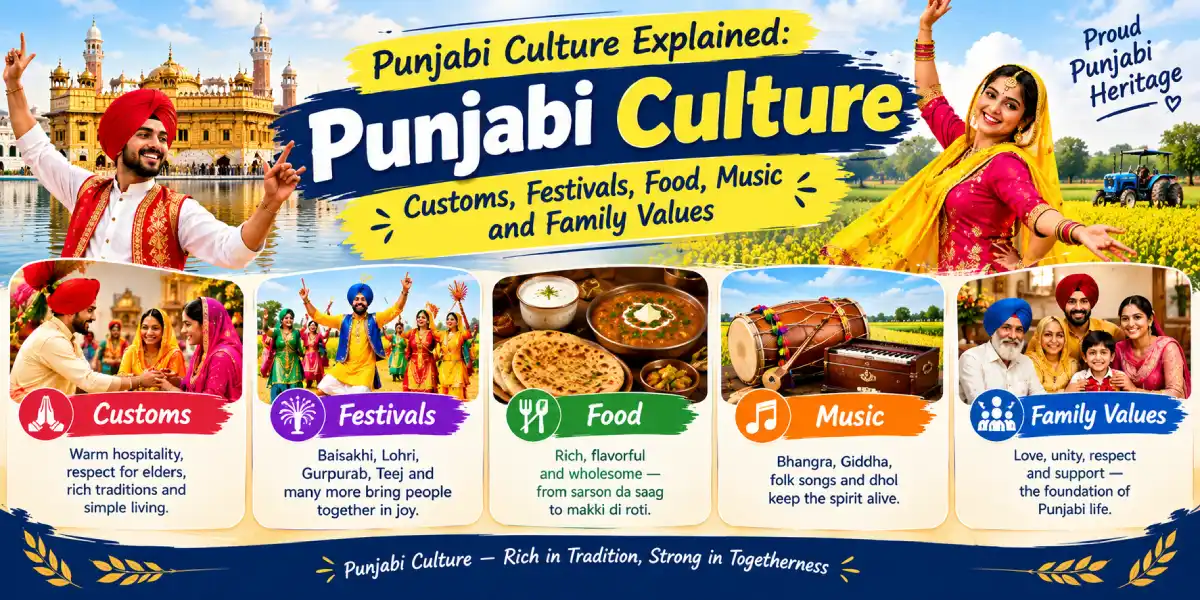
Punjabi Culture is known for its warmth, energy, hospitality, music, colorful celebrations, and strong community connections. From lively festivals and traditional food to folk dances and close family relationships, Punjab has a rich identity shaped by centuries of history and cultural exchange. This guide explores the major aspects of Punjabi traditions, including customs, festivals, cuisine, […]
Punjabi Culture is known for its warmth, energy, hospitality, music, colorful celebrations, and strong community connections. From lively festivals and traditional food to folk dances and close family relationships, Punjab has a rich identity shaped by centuries of history and cultural exchange.
This guide explores the major aspects of Punjabi traditions, including customs, festivals, cuisine, music, dance, family values, and everyday lifestyle. Whether you are a traveler, student, or culture enthusiast, understanding these elements offers a useful introduction to Punjab’s distinctive heritage.
What Makes Punjabi Culture Unique?
Punjabi Culture reflects a combination of history, agriculture, community life, spirituality, and celebration. Hospitality is an important part of social interactions, with guests often welcomed warmly and offered food or refreshments.
The region’s cultural identity has also developed through different historical influences. Punjabi language, traditional clothing, folk stories, music, dance, and cuisine continue to play important roles in preserving this identity.
Punjabi Culture and Traditions
Punjabi culture and traditions are closely connected with community participation and family relationships. Many customs are passed from one generation to another through celebrations, ceremonies, storytelling, food, and everyday practices.
Respect for elders is traditionally emphasized within many Punjabi households. Family gatherings, weddings, religious occasions, and seasonal celebrations often bring relatives and communities together.
Punjabi Customs and Traditions
Punjabi customs and traditions can vary between families, regions, religions, and communities. However, hospitality, respect for elders, participation in celebrations, and maintaining family connections are commonly associated with traditional Punjabi social life.
Traditional clothing is another visible part of cultural expression. Items such as the salwar kameez, phulkari embroidery, kurta-pajama, and turban are associated with different Punjabi communities and occasions.
Punjabi Festivals and Celebrations
Punjabi festivals are famous for their colorful atmosphere, music, dancing, food, and community participation. Festivals and cultural events often provide opportunities for people to come together and celebrate shared traditions.
Lohri
Lohri is a popular winter festival associated with bonfires, folk songs, dancing, and gatherings. It is especially connected with the winter harvest season and is widely celebrated in Punjab and among Punjabi communities elsewhere.
Baisakhi
Baisakhi is an important festival in Punjab with agricultural, cultural, and religious significance. It is associated with the spring harvest and is also particularly significant in Sikh history because of the formation of the Khalsa in 1699.
Gurpurabs
Gurpurabs commemorate important events associated with Sikh Gurus. These occasions commonly involve prayers, religious gatherings, processions, community meals, and acts of service.
Punjabi celebrations can also include weddings, family milestones, seasonal events, and local fairs, each bringing its own customs and traditions.
Punjabi Food Culture
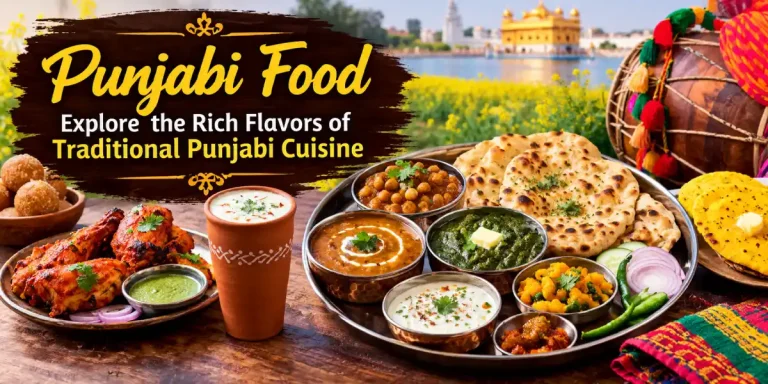
Punjabi food culture is recognized for hearty dishes, aromatic spices, dairy products, breads, vegetables, and rich cooking traditions. Food is often closely connected with hospitality and social gatherings.
Popular dishes associated with Punjabi cuisine include sarson da saag, makki di roti, chole, rajma, kadhi, tandoori dishes, lassi, and various stuffed parathas.
Food and Hospitality
Food plays an important role in Punjabi social life. Sharing a meal with family and guests is often considered an important way of showing warmth and hospitality.
Traditional cooking also differs across households and regions. Recipes may be adapted according to family preferences, seasonal ingredients, religious practices, and local culinary traditions.
Punjabi Music and Dance
Punjabi music and dance are among the most recognizable elements of the region’s cultural identity. Folk traditions have historically used music to express stories, emotions, celebrations, agricultural life, and community experiences.
Bhangra is one of the best-known Punjabi folk dances. Traditionally associated with harvest celebrations, it is recognized for energetic movements and rhythmic music.
Giddha is another important folk dance, traditionally performed by women. Punjabi folk music also includes forms such as boliyan and tappa, while contemporary Punjabi music has gained an international audience.
Punjabi Family Values
Punjabi family values traditionally emphasize respect, togetherness, hospitality, and support among relatives. Extended families have historically played an important role in many communities, although modern lifestyles have also contributed to changes in family structures.
Respect for parents and elders is commonly emphasized. Major occasions such as weddings, festivals, and religious events frequently become opportunities for extended family members to reconnect.
Punjabi Traditional Lifestyle
The Punjabi traditional lifestyle has strong historical links with agriculture and village communities. Farming, seasonal cycles, local markets, community gatherings, and folk traditions have influenced everyday life for generations.
Modern Punjab combines traditional practices with contemporary education, employment, technology, entertainment, and urban lifestyles. As a result, cultural traditions continue to evolve while many important customs remain visible.
Punjabi Cultural Heritage and Modern Life
Punjabi cultural heritage extends beyond festivals and food. Language, literature, folklore, clothing, architecture, crafts, music, dance, religious traditions, and oral storytelling all contribute to the region’s cultural identity.
Today, Punjabi communities around the world continue to celebrate cultural traditions while adapting them to new environments. This has helped Punjabi music, cuisine, celebrations, and language become familiar in many parts of the world.
Why Punjabi Traditions Remain Important?
Punjabi traditions provide a connection between generations and help communities preserve their shared identity. Festivals, family gatherings, traditional food, music, and storytelling allow cultural knowledge to be passed from older generations to younger ones.
At the same time, culture is not static. Punjabi communities continue to adapt their customs and celebrations as social conditions, technology, migration, and lifestyles change.
Conclusion
Punjabi Culture brings together customs, festivals, food, music, dance, family relationships, and a strong sense of community. Its colorful celebrations and welcoming social traditions have helped make Punjabi heritage recognizable far beyond the Punjab region.
For travelers and culture enthusiasts, exploring Punjabi traditions provides an opportunity to understand the history and everyday practices behind the region’s famous hospitality, cuisine, music, and celebrations.